
Key Takeaways
- In most tenancies the tenant handles routine upkeep such as mowing, weeding and general tidiness, while the landlord deals with structural and safety work.
- The tenancy agreement is what really decides it, so any garden duties should be written down clearly before the tenancy begins.
- Landlords usually stay responsible for trees, boundary fences and walls, paved areas and anything that could be a safety risk.
- A tenant is generally expected to return the garden in a similar state to the start, allowing for normal seasonal change and fair wear and tear.
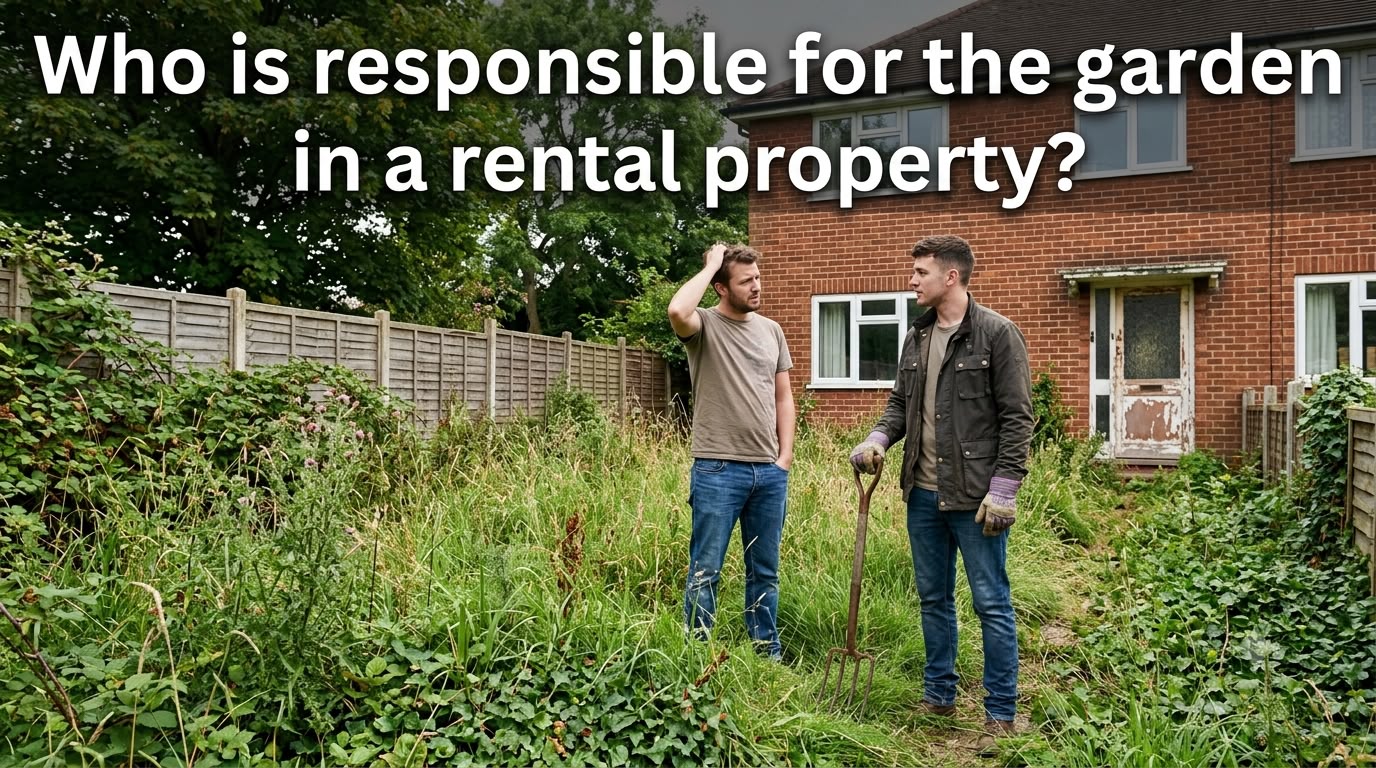
An overgrown lawn and a knee high hedge have a way of turning a good landlord and tenant relationship sour. One side assumes the other was looking after it, and by the time anyone notices, the deposit is in dispute and nobody is happy.
The good news is that garden responsibility is rarely as complicated as it feels. In most cases it comes down to what the tenancy agreement says, backed up by a bit of common sense on both sides. This guide sets out who usually does what, where the arguments tend to start, and how to keep the peace.
What the Tenancy Agreement Says Comes First
Before any general rule, look at the tenancy agreement. This is the written contract between landlord and tenant, and it is the first place to check when a question about the garden comes up. A well written agreement will spell out exactly what the tenant is expected to do, such as keeping the lawn cut and the beds weeded and what stays with the landlord.
Problems usually start when the wording is vague or missing altogether. A clause that simply says the tenant must keep the garden “tidy” leaves plenty of room for two honest people to disagree. Does tidy mean a quick mow now and then, or a fully weeded, pruned and watered plot? Clear terms remove that doubt.
If you are a landlord preparing a property, it pays to be specific from the outset. Our guidance on preparing to let a property covers how to set expectations early. If you are a tenant, read your agreement carefully and ask about anything that is unclear before you sign, not after the garden has run wild.
What the Tenant Is Usually Responsible For
Where the agreement is silent or brief, custom and common law fill the gaps. Tenants are normally expected to handle the day to day upkeep that keeps a garden from getting out of control. According to GOV.UK guidance for private renters, tenants should take proper care of the property, and that reasonably extends to the outside space.
In practice, routine tenant duties include mowing the lawn, watering plants in dry spells, pulling weeds, pruning low growing shrubs, sweeping paths and clearing away any rubbish or leaves. The basic standard is simple. Keep the garden litter free, reasonably tidy and not overgrown.
None of this means a tenant has to be a keen gardener or transform the plot. It means keeping things roughly as they found them. A tenant who lets the grass grow waist high or allows brambles to take over could be asked to put it right, or face a fair deduction from their deposit at the end of the tenancy. Staying on top of small jobs is far easier than tackling a jungle later.
What the Landlord Is Usually Responsible For
The heavier and riskier work sits with the landlord. Under the Landlord and Tenant Act 1985, landlords must keep the structure and exterior of a property in good order, and outdoor areas need to be safe and functional. The National Residential Landlords Association sets out much of this in its garden maintenance guidance.
Typical landlord responsibilities include the upkeep and repair of boundary fences and walls, the management of large trees and tall hedges, and the safety of patios, decking and paved areas. If a tree is diseased or a fence is falling down, that is the landlord’s job, not the tenant’s.
Landlords should also think about equipment. If a garden needs a lawnmower or hedge trimmer to maintain, it is sensible to say who provides it. Many landlords leave basic tools at the property or agree to cover more demanding seasonal jobs. Keeping the garden in good shape protects the value of the home and makes it easier to let next time, which is why professional lettings management often includes seasonal garden checks.
The Grey Areas
Some issues fall between the two sides and cause most of the disputes. Invasive plants are a good example. Japanese knotweed is almost always the landlord’s problem, because there is a legal duty not to let it spread onto neighbouring land and dealing with it is well beyond ordinary tenant upkeep.
Overgrowth is another common flashpoint. A tenant who neglects the garden for months can be held responsible for the cost of restoring it, but a landlord cannot expect a tenant to fix a problem that was already there when they moved in. This is exactly why a detailed inventory with dated photos of the garden matters so much.
At the end of a tenancy, any deposit deduction for the garden must be fair and must reflect genuine damage or neglect, not normal seasonal change. A lawn that is a little patchy after a hot summer is fair wear and tear. A garden buried under waste and dead plants is not. Tenants who are unsure of their position can get free help from Citizens Advice.
How to Avoid Garden Disputes Before They Start
Most garden disagreements are easy to prevent. Landlords should put clear garden terms in the tenancy agreement, take dated photos at check in, and carry out periodic inspections so small issues are caught early. Setting expectations kindly at the start goes a long way.
Tenants should read the agreement, ask questions if anything is unclear, and keep up with small jobs rather than letting them pile up. If you want to make bigger changes, such as removing a shrub or building a raised bed, ask the landlord first. A quick message now saves a deposit argument later. Our tenant services page explains what we expect and how we support renters throughout a tenancy.
Bringing It Together
Garden responsibility is not really a legal maze. In most homes the tenant keeps things tidy day to day, the landlord handles the structural and safety work, and the tenancy agreement settles anything in between. When both sides know their part from the start, the garden stays pleasant and the deposit stays out of dispute.
A well kept garden is good for everyone. It protects the value of the property, it makes a house feel like a home, and it keeps the landlord and tenant relationship healthy. Clarity at the beginning is worth far more than an argument at the end.
Every property and every tenancy is a little different, and the right garden arrangement depends on your circumstances. Whether you are a landlord wanting watertight tenancy terms or a tenant unsure where your duties end, the team at Yeti Homes is here to help. With over 20 years of experience across Wiltshire, Hampshire, Kent and beyond, we offer straightforward, no pressure guidance. Get in touch with the team at Yeti Homes and we will talk you through your options.
Frequently Asked Questions
Q: Is the tenant or the landlord responsible for cutting the grass?
A: In most tenancies the tenant is responsible for routine grass cutting, along with weeding and general tidiness. The tenancy agreement should confirm this. If the property has a large or communal garden, the landlord sometimes arranges professional upkeep instead, so always check what your agreement says.
Q: Can a landlord charge a tenant for garden damage at the end of a tenancy?
A: Yes, but only for genuine damage or neglect, not normal seasonal change. A deduction from the deposit must be fair and supported by evidence, which is why a dated inventory with photos at the start is so useful. A patchy lawn after a dry summer is fair wear and tear and should not be charged.
Q: Who is responsible for cutting down or maintaining trees in a rental garden?
A: Trees and tall hedges are usually the landlord’s responsibility, especially where safety or major work is involved. A tenant might trim a small hedge as part of routine upkeep, but felling a tree or dealing with a diseased one is a landlord job. Some trees also have legal protections, so never remove one without checking first.
Q: Does the landlord have to provide a lawnmower or garden tools?
A: There is no automatic legal duty to provide tools, so it comes down to the tenancy agreement. If the garden needs a mower to keep it maintained, many landlords choose to leave one at the property to avoid confusion. It is best to agree this in writing before the tenancy begins.
Q: What happens if a tenant lets the garden become badly overgrown?
A: If a tenant neglects the garden and it becomes overgrown, the landlord can ask them to restore it or make a fair deduction from the deposit for the cost. In serious cases it can count as a breach of the tenancy. Keeping up with small jobs throughout the tenancy avoids this situation entirely.